

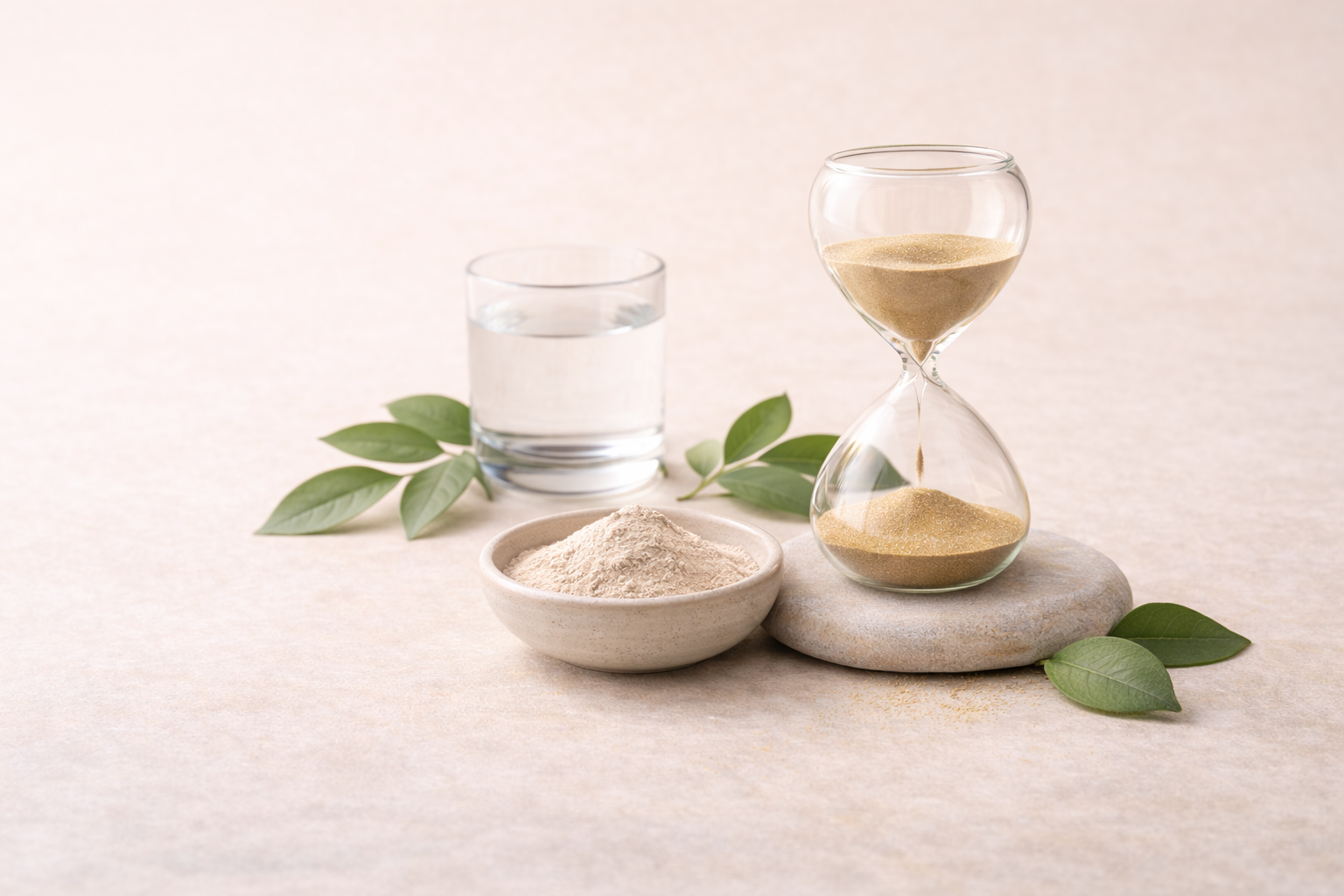
What Is Biological Age and Can You Influence It?
Most of us know our chronological age - the number of years since birth. But in longevity science, another measure matters far more: biological age.
Biological age reflects how well your body is actually functioning on a cellular level. Two people can share the same chronological age, yet one may have the biological profile of someone ten years younger - while the other shows signs of accelerated aging. The difference lies not in time itself, but in how cells manage stress, repair damage, and maintain balance.
Chronological age vs. biological age
Chronological age is fixed. It progresses at the same pace for everyone.
Biological age, however, is dynamic. It reflects the condition of your cells, tissues, and metabolic systems - and it can change in response to lifestyle, environment, and internal regulation.
In simple terms:
-
Chronological age answers “How old are you?”
-
Biological age answers “How well is your body aging?”
This explains why some people retain energy, clarity, and resilience with age, while others experience fatigue, inflammation, and decline much earlier.
What determines biological age?
Biological age is shaped by several deeply interconnected cellular processes.
One of the most important is mitochondrial function. Mitochondria produce cellular energy (ATP) and regulate metabolism. When they work efficiently, cells repair damage and adapt to stress. When they weaken, energy production drops and aging accelerates.
Another major driver is chronic low-grade inflammation. Unlike acute inflammation, which is protective, long-term inflammation quietly disrupts tissues and metabolic signaling, contributing to faster cellular aging.
Oxidative stress also plays a central role. Free radicals are a natural byproduct of metabolism, but when antioxidant defenses are overwhelmed, they damage DNA, proteins, and cell membranes.
Finally, cellular renewal mechanisms, such as autophagy, determine how efficiently the body clears damaged components and replaces them with functional ones. When renewal slows, biological aging speeds up.
Together, these processes define how “young” or “old” your cells behave - regardless of the number on your passport.
Can biological age be influenced?
Yes - and this is where longevity science becomes practical.
Biological age does not change overnight, but it responds to consistent cellular support. Research shows that aging pathways are sensitive to daily inputs: movement, sleep, nutrition, stress regulation, and targeted nutritional compounds.
Regular physical activity signals the body to produce new mitochondria. Quality sleep allows repair mechanisms to activate. Balanced nutrition provides the building blocks for energy metabolism and antioxidant defense.
Equally important is reducing chronic stress. Persistently elevated cortisol disrupts metabolism, promotes inflammation, and interferes with cellular repair - all of which accelerate biological aging.
Supporting biological age at the cellular level
Modern longevity research focuses on supporting core cellular systems, rather than masking symptoms of aging.
This includes:
-
maintaining efficient energy metabolism,
-
protecting mitochondria from oxidative damage,
-
supporting natural detoxification and antioxidant pathways,
-
and activating cellular renewal processes such as autophagy.
Certain well-studied compounds are known to support these mechanisms by working with the body’s natural biology.
NR for example, supports NAD⁺ levels — a molecule essential for cellular energy production, DNA repair, and metabolic regulation. NAD⁺ levels naturally decline with age, and maintaining them is increasingly linked to healthier biological aging.
Spermidine plays a key role in autophagy, the process through which cells recycle damaged components. By supporting this natural renewal system, spermidine helps cells remain functional and resilient over time.
To address inflammatory and oxidative stress pathways, compounds such as EGCG (from green tea) and Fisetin are studied for their ability to reduce cellular stress and support healthier inflammatory signaling - factors strongly associated with biological aging.
Finally, adequate magnesium is essential for hundreds of enzymatic reactions, including energy production, nervous system regulation, and stress response — all of which influence how quickly biological aging progresses.
Biological age is shaped by consistency, not perfection
Influencing biological age does not require extreme protocols or rigid routines. The most sustainable improvements come from small, consistent actions that reduce cellular stress and support recovery.
Longevity is not about stopping time. It is about helping the body maintain balance, repair itself efficiently, and adapt to stress over the long term.
When cellular systems are supported, biological age begins to reflect resilience rather than wear - and aging becomes a slower, more stable process.

Leave a comment
This site is protected by hCaptcha and the hCaptcha Privacy Policy and Terms of Service apply.